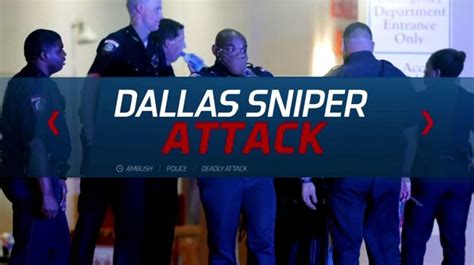
Dallas Sniper Attack: Unpacking a Tragic Event\n\nHey guys, let’s dive into a truly
heart-wrenching
chapter in American history: the
Dallas sniper attack
. This wasn’t just another news story; it was a deeply
traumatic event
that shook an entire city and sent ripples across the nation, highlighting the intense tensions and profound pain that gripped many communities. On that fateful night of July 7, 2016, a peaceful protest in downtown Dallas suddenly morphed into an
unimaginable nightmare
, as a lone gunman unleashed a horrifying ambush on law enforcement officers. It’s crucial for us to understand the gravity of what happened, not just for the sake of remembering, but for truly grasping the
complex layers
of social, racial, and political issues that culminated in such a devastating loss of life. We’re talking about a moment that forced us all to look inward, to confront difficult conversations about justice, safety, and community trust. The sheer scale of the tragedy, the
bravery of the fallen officers
, and the way a city tried to pick up the pieces afterwards offers some
profound lessons
that are still relevant today. Seriously, this isn’t just about dates and facts; it’s about the human cost and the enduring efforts to heal.\n\n## The Horrific Night: What Happened in Dallas?\n\nAlright, let’s set the scene for that
horrific night
in Dallas, guys. Picture this: it was July 7, 2016, and downtown Dallas was buzzing with a
peaceful protest
. People had gathered to demonstrate against recent police shootings of Black men in Baton Rouge, Louisiana, and Falcon Heights, Minnesota. These were legitimate grievances, and folks were exercising their constitutional right to protest, demanding justice and accountability. The atmosphere, initially, was one of solidarity and shared purpose.
Dallas police officers
were there, doing what they do, ensuring the safety of the protesters and managing traffic, often engaging with the crowd in a professional, even friendly, manner. It was a classic example of community and law enforcement coexisting during a demonstration.\n\nBut then, everything changed. Suddenly, the air was shattered by the
terrifying sound of gunfire
. What started as a protest quickly devolved into an
unprecedented ambush
. The
Dallas sniper incident
wasn’t just a random act; it was a calculated, deadly attack. Micah Xavier Johnson, a former U.S. Army Reserve veteran, began systematically targeting police officers. He used a high-powered rifle, positioning himself strategically to pick off officers who were trying to protect the very people protesting against police brutality. Can you imagine the chaos, the sheer terror that must have gripped everyone present? One moment you’re marching for justice, the next you’re ducking for cover as bullets fly, witnessing the unimaginable.\n\nThis wasn’t an isolated shooting; it was a coordinated assault that saw officers falling one by one. The courage shown by those on the ground, both civilians helping each other and especially the law enforcement officers, was
nothing short of heroic
. Despite the grave danger, they rushed towards the sound of gunfire, trying to locate the shooter, aid their wounded comrades, and protect the innocent. This wasn’t just a simple crime; it was an act of
domestic terrorism
that specifically targeted those who had sworn to protect. Five Dallas police officers and Dallas Area Rapid Transit (DART) officer were tragically killed, and several others were wounded, including civilians. The city was plunged into a state of shock and grief. The
tragic night
left an indelible scar, reminding us of the fragility of peace and the profound sacrifices made by those who serve in uniform. It highlighted the immediate shift from a situation of democratic expression to one of extreme violence, leaving everyone present and watching from afar utterly heartbroken and searching for answers. The sheer brutality of the attack, the cold calculation behind it, and the senseless loss of lives makes this chapter one we can never forget, and it absolutely demands our continued reflection and understanding. This incident stands as a stark reminder of the unexpected ways violence can erupt, even in the midst of peaceful civic engagement.\n\n## Who Was the Dallas Sniper? Understanding the Motives\n\nNow, let’s talk about the man behind this horror:
Micah Xavier Johnson
, the
Dallas sniper
. Understanding his motives, while never excusing his actions, is a critical, albeit difficult, part of processing this
tragic event
. Johnson was a 25-year-old U.S. Army Reserve veteran who had served in Afghanistan. He was described by some as a loner, and his personal life revealed a complex individual grappling with various issues. His military background, particularly his training in marksmanship and tactical operations, unfortunately, made him incredibly effective and dangerous in carrying out his deadly plan. This wasn’t some random individual; he had the skills and the mindset to execute a devastating ambush.\n\nAfter the attack, investigators pieced together what they could about Johnson’s state of mind. During a prolonged standoff with police, Johnson reportedly told negotiators that he was
angry about recent police shootings
of Black men and that he wanted to kill white police officers, specifically. He explicitly stated his desire for revenge, feeling that justice was not being served for these incidents. He told authorities he was “upset about Black Lives Matter,” but also clarified that he was not affiliated with any specific group. This detail is crucial, guys, because it underscores a personal, deeply held grievance that he translated into an act of extreme violence. His actions, while seemingly motivated by a desire for
racial justice
as he perceived it, ultimately undermined the very causes many peaceful protesters were advocating for. It’s a tragic irony, really.\n\nJohnson’s online activity and personal writings, uncovered later, suggested a growing radicalization. He reportedly followed Black militant groups and expressed anti-white sentiments. This wasn’t an overnight transformation; it was a gradual descent into a dangerous ideology fueled by perceived injustices. The incident sparked intense debates about the role of rhetoric, the impact of racial tensions, and the delicate balance between legitimate protest and extremist violence. It also raised serious questions about the mental health of veterans and the support systems available to them upon returning home. While it’s tempting to simplify the narrative, Johnson’s case reminds us that individuals can be driven to horrific acts by a confluence of factors, including personal demons, a sense of grievance, and exposure to extremist ideas. His actions remain an isolated, despicable act that
does not represent
the broader Black Lives Matter movement or the vast majority of peaceful protesters. However, understanding his specific grievances and radicalization process is vital for anyone trying to comprehend the full scope of the
Dallas sniper
tragedy and its impact on the
police-community relations
and the wider discourse on race and justice in America. It compels us to look beyond the immediate shock and delve into the deeper currents of societal discontent that can, in rare and horrific instances, boil over into such devastating violence.\n\n## The Devastating Impact: Lives Lost and a City Mourning\n\nThe
Dallas sniper attack
left an absolutely
devastating impact
on the city, the nation, and, most profoundly, on the families of the
fallen heroes
. Five brave souls,
Dallas police officers
and one DART officer, had their lives tragically cut short while performing their duties. These weren’t just names on a casualty list; they were fathers, husbands, sons, and cherished members of their communities. We lost Senior Cpl. Lorne Ahrens, Officer Michael Krol, Sgt. Michael Smith, Officer Brent Thompson (a DART officer), and Officer Patrick Zamarripa. Each one of them a dedicated public servant,
each one a hero
. Can you even imagine the grief, the void left behind in their families? It’s simply
unimaginable
.\n\nThe immediate aftermath was a whirlwind of shock, sadness, and an outpouring of emotion. The city of Dallas, known for its resilience and spirit, was united in
mourning
. Makeshift memorials sprang up all over, overflowing with flowers, candles, heartfelt notes, and cards from people from all walks of life. Citizens, both Black and white, young and old, came together to pay their respects, to offer comfort, and to show solidarity with the grieving police department. This wasn’t about politics or debates anymore; it was about human empathy and shared sorrow.
The community healing process
began almost immediately, born out of a collective desire to stand together against such senseless violence.\n\nBeyond the initial grief, the incident sparked crucial conversations about the role of police, the dangers they face daily, and the deep-seated divisions that still plague society. It highlighted the incredibly
perilous nature of law enforcement work
, a reality often overlooked until a tragedy strikes. The attack served as a stark reminder that police officers, despite their uniforms, are
vulnerable human beings
with families who wait for them to come home every day. Their sacrifices, particularly on that
tragic night
, resonated deeply, reminding everyone of the profound courage it takes to serve and protect, especially when facing such targeted, malicious intent.\n\nThe
city mourning
was visible in every corner, from flags flying at half-mast to public vigils where tears flowed freely. The bond between the police department and the community, though strained at times, actually found moments of profound connection in the wake of this disaster. People saw the human side of law enforcement, and officers, in turn, felt the genuine support and compassion from the citizens they served. The loss of these
police officers
was a stark reminder that violence, regardless of its motivation, only begets more pain and suffering. It compelled Dallas, and indeed the entire nation, to reflect on how to bridge divides, foster understanding, and move forward in a way that honors the memory of those lost while working towards a more peaceful future. The
Dallas sniper incident
truly tested the spirit of a city, but in its darkest hour, it also revealed its strength and capacity for profound collective grief and resilient hope.\n\n## Responding to Crisis: Law Enforcement’s Challenge and Innovation\n\nOkay, let’s talk about the incredible
law enforcement response
during the
Dallas sniper attack
. When chaos erupted, the
Dallas Police Department
and other agencies faced an unprecedented and extremely dangerous situation. They weren’t just dealing with a typical active shooter; they were up against a highly trained individual launching a coordinated ambush from concealed positions. This presented a massive tactical challenge. Officers, despite being targeted, ran
towards
the danger, evacuating civilians, protecting others, and trying to locate the shooter. Their training and sheer bravery were put to the ultimate test under extreme pressure.\n\nAs the standoff with Micah Johnson unfolded in a parking garage, police found themselves in a perilous situation. Johnson was heavily armed, protected, and making threats, stating he had planted bombs. Direct engagement with traditional methods was deemed too risky, potentially endangering more officers. This is where the
innovation
came in, guys, in a way that was both historic and, frankly, a little controversial. The
Dallas Police Department
made the decision to use a
bomb robot
– specifically, a Remotec F-5 tactical robot – to deliver an explosive device and neutralize Johnson.\n\nThis was a
first-of-its-kind
use of a robot in a policing context to intentionally kill a suspect. Seriously, think about that for a second. It sparked immediate ethical and tactical debates: Was it justified? Did it set a dangerous precedent? While some argued it was a necessary and proportional response to save lives and prevent further harm, others raised concerns about the dehumanizing aspect of using a machine to deliver lethal force. However, from the perspective of the officers on the ground, trapped in a deadly standoff, the robot offered a way to end the threat without risking more lives. The Dallas police chief, David Brown, stated unequivocally that it was the only way to resolve the situation without further loss of life among his officers. This
tactical decision
was born out of extreme necessity.\n\nThe use of the
bomb robot
during the
Dallas sniper incident
demonstrated the evolving nature of policing and the willingness of law enforcement to adapt and utilize technology in critical situations. It highlighted the desperate measures sometimes required when facing an adversary who shows no regard for human life. This event forced a reconsideration of police tactics, the ethical implications of emerging technologies in law enforcement, and the paramount importance of officer safety in high-risk scenarios. It was a stark reminder that police work is constantly evolving, demanding
unconventional solutions
when conventional ones fall short. The
Dallas Police Department
’s decision was a moment of extraordinary challenge and equally extraordinary, if debatable, innovation, showcasing their determination to protect their community even when faced with an unprecedented threat. This aspect of the response has become a significant talking point in discussions about modern policing and the future of tactical operations.\n\n## Beyond the Tragedy: Lessons Learned and Community Efforts\n\nThe
Dallas sniper attack
was a monumental tragedy, but
beyond the tragedy
, the city of Dallas embarked on a difficult yet crucial journey of healing and reflection. This wasn’t just about recovering from the immediate shock; it was about addressing the deeper fissures and working towards stronger
police-community relations
. The incident, while horrific, also became a catalyst for introspection and a renewed commitment to dialogue and understanding. What
lessons learned
emerged from such profound sorrow? Plenty, guys, and they’re still echoing today.\n\nOne of the most immediate and heartwarming responses was the surge of
community healing
efforts. People across Dallas, regardless of their background, came together. There were vigils, interfaith services, and public gatherings aimed at fostering unity. Law enforcement officers and community leaders, who might have been at odds before, found common ground in shared grief and a mutual desire to prevent such an event from ever happening again. This wasn’t a magic fix, but it was a powerful step toward bridging divides. The hashtag
#DallasStrong
became a symbol of this collective resilience, illustrating how a city could rally together in its darkest hour.\n\nThe incident also underscored the vital importance of open communication between police departments and the communities they serve. Dallas, already engaged in efforts to improve these relationships, intensified its focus. There were renewed calls for transparency, accountability, and more effective de-escalation training for officers. The aim was to build trust, acknowledging that a strong community is one where residents feel safe and respected by those sworn to protect them. This means creating spaces for honest conversations, even when they’re uncomfortable, and actively listening to concerns from all segments of the population.\n\nFurthermore, the
Dallas sniper incident
brought into sharp focus the need to understand and address the root causes of anger and despair that can, in rare instances, manifest in such destructive ways. While Johnson’s actions were unequivocally wrong and deserving of condemnation, the underlying societal issues he cited –
racial injustice
and a lack of accountability – are real and need to be continuously addressed through systemic change, not violence. This means sustained efforts in criminal justice reform, addressing racial disparities, and promoting equitable opportunities for all. It’s about striving for a society where grievances are heard and addressed through peaceful, democratic means.\n\nUltimately, the events of July 7, 2016, served as a poignant reminder of our shared humanity and vulnerability. The
lessons learned
from the
Dallas sniper attack
continue to inform discussions on public safety, mental health, police reform, and community engagement. It’s a testament to the spirit of Dallas that from such profound tragedy, there emerged a stronger resolve to work towards a future where peace and justice prevail, proving that even in the face of unimaginable loss, the human capacity for healing and progress endures. It’s a journey that demands ongoing commitment, patience, and empathy from all of us, reminding us that truly building a
#DallasStrong
future means consistently striving for understanding and unity.
