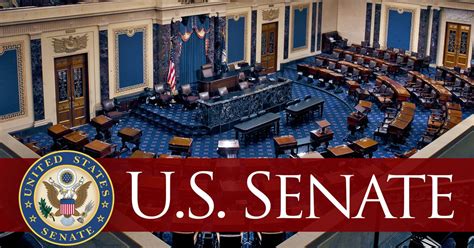
Ius Senate Today: Breaking News & Key DevelopmentsReally, guys, in today’s fast-paced world, staying on top of the latest happenings can feel like a full-time job, especially when it comes to crucial political and legal bodies. But fear not, because we’re here to cut through the noise and bring you the most important updates from the
Ius Senate today
. This isn’t just about dry political talk; it’s about understanding how the decisions made within these hallowed halls directly impact your daily life, your rights, and even your wallet. We’re going to dive deep, providing you with high-quality content that’s not only informative but also genuinely helpful and easy to digest. So, whether you’re a seasoned political observer or just starting to get curious about the forces shaping our world, stick around. We’ve got everything you need to know about the
Ius Senate
right here, presented in a friendly, conversational tone that cuts through the jargon. Let’s get into it and explore the most significant developments, debates, and decisions that are currently on the table, ensuring you’re always in the loop. These updates are vital for anyone who cares about the direction our society is heading, and we’re committed to making that understanding accessible to everyone. We believe that informed citizens are empowered citizens, and our goal is to empower you with clarity and insight into the workings of the
Ius Senate
. So, without further ado, let’s explore the dynamic world of legal and political decision-making and what it means for all of us. This comprehensive guide will illuminate the complex pathways of power, making the intricate simple and the distant immediate for every single one of you. Get ready to be informed, engaged, and ready to discuss the future with confidence, all thanks to a clearer picture of the
Ius Senate today
.## Understanding the “Ius Senate”: Its Role and SignificanceAlright, let’s kick things off by getting a firm grasp on what the
Ius Senate
actually is, because, let’s be honest, you can’t really understand the news without knowing the players and the playing field. At its core, the
Ius Senate
is a pivotal legislative and judicial body, often responsible for interpreting, shaping, and enforcing the fundamental
legal framework
that governs us all. Think of it as the ultimate guardian of justice and order, a place where profound decisions are made that resonate throughout society. Its name, rooted in “ius” meaning law or right, clearly signals its primary domain. This institution isn’t just a collection of individuals; it’s a deeply embedded part of our governance structure, tasked with upholding the principles of fairness, equity, and the rule of law. It’s truly
fundamental
to the stability and progress of any structured society, acting as both a check and a balance within the broader political landscape. The historical evolution of the
Ius Senate
is fascinating, often tracing its roots back centuries, adapting through various eras to remain relevant and powerful. From ancient decrees to modern legislative acts, its influence has been consistently profound.Historically, the
Ius Senate
has played many roles, from advising heads of state to acting as the highest court of appeal. In its current incarnation, its responsibilities are incredibly broad, spanning from the careful crafting of new
laws
to resolving complex legal disputes that can set precedents for generations. It scrutinizes proposed legislation, ensuring it aligns with existing legal principles and constitutional mandates. Beyond just lawmaking, the
Ius Senate
often plays a crucial oversight role, monitoring the executive branch and other governmental agencies to ensure they operate within their legal boundaries. This accountability function is absolutely vital for preventing abuses of power and maintaining public trust. Without a strong
Ius Senate
, the delicate balance of power in our governmental system could easily tip, leading to instability and injustice. Its members, usually seasoned legal experts, scholars, and respected public figures, are chosen (or elected, depending on the specific structure) for their deep understanding of jurisprudence and their commitment to justice. Their expertise allows them to navigate intricate legal texts and complex societal issues with precision, ensuring that the laws they create or interpret are robust, fair, and forward-thinking. Understanding the
Ius Senate
’s composition, its established procedures, and its historical journey provides us with the necessary context to truly appreciate the significance of its daily operations and the weight of its decisions. It’s not just another political entity, guys; it’s the bedrock upon which our legal and social order stands. So, when we talk about
Ius Senate news
, we’re really talking about the continuous evolution of our rights, responsibilities, and the very fabric of our society. This body isn’t static; it’s a living, breathing entity constantly adapting to new challenges, setting the tone for how justice is perceived and administered, and ultimately, shaping the future for all of us. Its deliberate processes, often involving extensive debate and careful consideration, reflect the gravity of its mandate. Every vote, every ruling, every pronouncement from the
Ius Senate
is a testament to its enduring role as a cornerstone of our collective existence. The importance of this institution cannot be overstated, as it provides the essential legal scaffolding that supports our freedoms and defines our obligations. It is truly a linchpin in the entire system, deserving of our attention and understanding.## Latest News from the Ius Senate: Key Decisions and DebatesAlright, guys, let’s dive into the really juicy stuff: what’s been happening in the
Ius Senate today
? This is where the rubber meets the road, where the theoretical discussions transform into tangible legislative updates and policy changes that ripple through our communities. Currently, the chamber is abuzz with several high-stakes debates and has recently pushed through some absolutely
monumental decisions
that we need to unpack. One of the most talked-about pieces of
Ius Senate news
revolves around the recent passage of the
“Digital Privacy and Rights Act” (DPRA)
. This groundbreaking legislation, after months of intense deliberation and more than a few heated arguments, aims to redefine how personal data is collected, stored, and used by corporations and governmental agencies alike. Proponents, primarily a strong coalition of privacy advocates and certain progressive senators, argued passionately that the existing legal framework was woefully inadequate for the digital age, leaving citizens vulnerable to unchecked surveillance and data exploitation. They emphasized the need for robust protections to safeguard individual liberties in an increasingly data-driven world. On the other side, some industry representatives and a faction of conservative senators expressed concerns about the potential economic burden on businesses and the possibility that stringent regulations might stifle innovation. They contended that over-regulation could impede economic growth and create unnecessary bureaucratic hurdles. Ultimately, after several amendments and significant compromises, the DPRA passed with a narrow but decisive majority, marking a
historic victory
for digital rights.The
implications
of the DPRA are enormous, fellows. For you and me, it means greater control over our personal information, stricter consent requirements for data sharing, and enhanced penalties for companies that violate privacy laws. This is a massive step forward in ensuring our digital footprints are treated with the respect and security they deserve. But that’s not all; another significant topic dominating the
Ius Senate
’s agenda is the ongoing debate around the “
Sustainable Infrastructure Investment Bill
.” This bill proposes an unprecedented allocation of funds towards upgrading the nation’s aging infrastructure, focusing on green energy projects, public transportation, and resilient urban development. The discussions have been particularly intense regarding the funding mechanisms, with proposals ranging from new carbon taxes to repurposing existing budgetary allocations. Advocates highlight the urgent need to modernize infrastructure to combat climate change, create jobs, and enhance national competitiveness. Opponents, however, raise concerns about the potential impact on taxpayers and the national debt, suggesting alternative, more fiscally conservative approaches. The
Ius Senate
is currently in a critical phase of negotiations on this bill, with various committees working overtime to hammer out the details. We’re seeing senators from across the political spectrum trying to find common ground, demonstrating the complex nature of legislating on such a vast scale. These policy changes and ongoing legislative battles are not just abstract political maneuvers; they are the very mechanisms through which our society adapts and evolves, addressing critical challenges and shaping our collective future. The outcomes of these discussions will directly impact economic growth, environmental sustainability, and the overall quality of life for millions, making the current
Ius Senate news
exceptionally relevant and worth our careful attention. Keep an eye on these debates, because they’re directly influencing the world we live in.
Deep Dive into the Digital Privacy and Rights Act (DPRA)
Let’s take a closer look at the
Digital Privacy and Rights Act
, shall we? This isn’t just a superficial tweak; it’s a comprehensive overhaul. The core of the DPRA introduces the principle of “data minimization,” meaning companies can only collect data absolutely necessary for their stated purpose, and consumers now have explicit rights to access, rectify, and delete their personal data. Furthermore, the act establishes an independent Digital Rights Authority, tasked with enforcing these new regulations, investigating breaches, and imposing significant fines on non-compliant entities. The debates surrounding the DPRA often centered on the definition of “necessary data” and the scope of corporate responsibility. Some argued that broad data collection was essential for innovation and personalized services, while others countered that convenience should never supersede fundamental rights. The final version of the act includes provisions for varying levels of consent based on data sensitivity and introduces a “right to explanation” for automated decision-making processes, giving individuals insight into how algorithms affect them. This legislative move by the
Ius Senate
signifies a major shift towards prioritizing individual data sovereignty in an increasingly digital world. Its passage is a testament to the growing recognition that digital rights are, in essence, human rights in the modern era.## Impact on You: How Ius Senate Decisions Shape Our LivesHonestly, guys, it’s easy to look at the
Ius Senate news
and think it’s all just high-level politics, far removed from your daily grind. But let me tell you, that couldn’t be further from the truth. The decisions made by the
Ius Senate
have a profound, direct
impact on you
, me, and everyone around us. From the cost of your groceries to the privacy of your online activities, these legislative and judicial actions permeate every aspect of our lives. Let’s break down how these
Ius Senate impact
moments manifest in our everyday existence.Take, for instance, the recent passage of the Digital Privacy and Rights Act (DPRA) we just discussed. Before the DPRA, your data was, frankly, a bit of a free-for-all. Companies could collect vast amounts of information about your browsing habits, purchases, and even your location, often without your explicit knowledge or clear consent. This data was then used for targeted advertising, sold to third parties, or even used in ways that felt intrusive and uncomfortable. Now, thanks to the
Ius Senate
’s action, you have
significantly more control
. You can demand to see what data companies hold on you, request its deletion, and in many cases, opt out of certain types of data collection altogether. This means fewer irrelevant ads, greater security against data breaches, and a general sense of reclaiming your digital footprint. It’s about empowering
citizen rights
in the digital realm, making sure your online identity is truly yours. This isn’t just about a philosophical concept of privacy; it’s about tangible protections that prevent your personal information from being exploited.Beyond privacy, consider economic policies. If the
Ius Senate
approves the “Sustainable Infrastructure Investment Bill,” think about the ripple effects. We’re talking about new jobs in construction, engineering, and renewable energy sectors. These aren’t just high-paying jobs; they’re often local, boosting regional economies. Improved public transportation means shorter commutes for many, reducing stress and increasing productivity. Investments in green energy could lead to lower utility bills in the long run and cleaner air for everyone. On the flip side, if the funding mechanisms involve new taxes, that could affect your disposable income. This is why paying attention to the details of these
Ius Senate
debates is so crucial; they directly influence your financial well-being and the economic landscape you navigate every single day.Moreover, the
Ius Senate
’s role in interpreting existing laws and setting legal precedents can redefine our understanding of justice and fairness. A landmark ruling on environmental protection, for example, could dictate how industries operate, affecting the quality of your local air and water. A decision on voting rights could expand or restrict access to the ballot box, fundamentally altering the democratic process. These aren’t abstract legal concepts; they are the very rules of the game we all play. When we talk about
everyday implications
, we’re talking about the quality of public services, the safety of consumer products, the fairness of employment laws, and even the criminal justice system. Every single one of these areas is touched, shaped, and influenced by the
Ius Senate
’s deliberations and judgments. Your active engagement, even if it’s just staying informed through articles like this, contributes to a more robust democracy. Understanding these connections empowers you to advocate for your interests, hold your representatives accountable, and ultimately, participate more effectively in shaping the kind of society we all want to live in. The
Ius Senate
isn’t a distant, isolated institution; it’s a vital, dynamic force woven into the very fabric of our lives, and its actions resonate deeply within our communities.## Looking Ahead: What’s Next for the Ius Senate?So, we’ve covered where we’ve been and where we are, but what’s on the horizon for the
Ius Senate
? Guys, the legislative calendar is always packed, and there are several major items already slated for discussion and debate that promise to keep things interesting. Understanding these upcoming challenges and opportunities gives us a crucial glimpse into the
future of the Ius Senate
and, by extension, the direction our society is likely to head.First up, the lingering discussions around the “
Sustainable Infrastructure Investment Bill
” are expected to reach a critical juncture in the coming weeks. The current phase involves intense backroom negotiations as senators try to bridge the gaps on funding sources and the exact allocation of resources. We anticipate seeing some revised proposals and perhaps even a final vote before the end of the next legislative session. The outcome here will not only impact our physical infrastructure but also set a precedent for future large-scale public spending, influencing the broader
political outlook
and potentially shaping electoral dynamics. The sheer scale of this bill means its passage or failure will have long-term economic and environmental consequences, making it a focal point for analysis and public interest.Beyond infrastructure, another major piece of
upcoming legislation
that the
Ius Senate
is gearing up to tackle concerns comprehensive healthcare reform. While details are still emerging, preliminary discussions suggest a focus on addressing rising prescription drug costs, expanding access to mental health services, and reforming insurance market regulations. This is a topic that consistently generates passionate debate, given its direct impact on every citizen’s well-being and financial stability. The different factions within the
Ius Senate
hold vastly different philosophies on healthcare, ranging from advocating for a single-payer system to championing market-based solutions. Expect vigorous arguments, detailed committee hearings, and perhaps even some dramatic floor debates as they try to navigate these complex issues. The stakes are incredibly high here, as any significant changes could redefine the healthcare landscape for decades to come, affecting millions of families.Furthermore, the
Ius Senate
is expected to begin preliminary hearings on the implications of artificial intelligence (AI) and automation on the workforce and society at large. This isn’t just a science-fiction concern anymore; it’s a real-world issue with profound
challenges
related to job displacement, ethical AI development, and the potential for technological bias. This emerging area presents a unique
opportunity
for the
Ius Senate
to be proactive, to establish a regulatory framework that fosters innovation while protecting workers and ensuring responsible technological advancement. These discussions will be crucial for shaping how we integrate advanced technologies into our economy and daily lives, making sure the benefits are widely shared and potential harms are mitigated.The
Ius Senate
also faces the ongoing task of judicial appointments. With potential retirements or vacancies on various courts, the process of vetting and confirming new judges will continue to be a significant part of its workload. These appointments are critical because judges interpret the laws passed by the
Ius Senate
, and their legal philosophies can shape the application of those laws for generations. Therefore, the composition of the judiciary is a constant point of strategic importance and political contention.In essence, the
Ius Senate
is not resting on its laurels. It’s an ever-evolving institution, constantly responding to current events, anticipating future needs, and grappling with the most pressing issues of our time. The upcoming sessions promise to be filled with critical decisions, robust debates, and significant legislative progress that will undoubtedly shape our collective future. Guys, staying tuned to these developments is not just about being informed; it’s about being prepared for the changes that are heading our way and understanding your place within this dynamic legislative process.The
Ius Senate today
is truly a beacon of democratic process, where the future is actively shaped. From economic reforms to social justice initiatives, and technological oversight, its role is indispensable. The decisions made here will echo through our society for years to come, making it imperative for us to remain engaged and informed. We’ve journeyed through its foundational role, examined its latest crucial actions, and now peered into its future trajectory. Remember, every piece of
Ius Senate news
isn’t just a headline; it’s a thread in the tapestry of our shared existence, and understanding it means understanding the very direction our collective journey is taking. Keep following along, because an informed citizen is an empowered citizen, always ready to engage with the world around them. Let’s stay connected and keep track of these essential developments together. Your engagement makes a difference! Keep those eyes peeled for the next big story because the
Ius Senate
is always at work, always shaping our world.
